

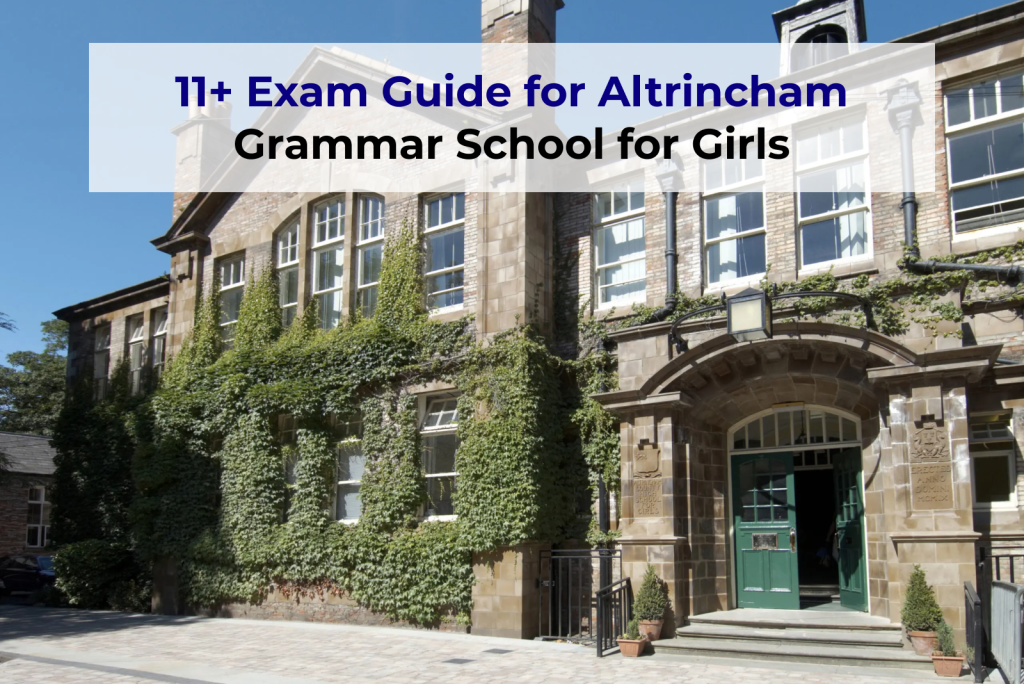
For many families in Trafford and Greater Manchester, grammar school admissions are one of the most important milestones in a child’s education journey. If you are considering Altrincham Grammar School for Girls, you are likely already aware of its strong academic reputation and competitive entry process.
Located in Altrincham, the school attracts applications from across the borough and beyond. This guide is written to help parents clearly understand how the 11+ process works, what the exam involves, and how to prepare calmly and confidently. Whether your child is just starting preparation or already sitting practice papers, this AGGS selective school guide will walk you through everything step by step.
Understanding Altrincham Grammar School for Girls
Altrincham Grammar School for Girls (often shortened to AGGS) is one of the most well-regarded grammar schools in the North West. It consistently features among the top grammar schools in Cheshire and Greater Manchester, known for strong academic outcomes, supportive pastoral care, and a culture that values both achievement and wellbeing.
Because of this reputation, entry is highly competitive. Each year, many more girls sit the entrance test than there are places available. That’s why understanding the Altrincham Grammar School for Girls 11+ exam early is so important.
After around 100 words, it’s worth restating that Altrincham is not just the school’s location—it also plays a role in admissions priorities through catchment and local authority rules.
Is AGGS a Selective School?
Yes. AGGS is a fully selective grammar school. This means admission is based on performance in the 11+ entrance test rather than distance alone.
Parents often search for How to get into Altrincham Grammar School for Girls, and the key point to understand is this:
👉 Passing the exam is essential, but it does not always guarantee a place.
Girls must:
- Sit and pass the entrance test
- Rank high enough compared to other candidates
- Meet residency and admissions criteria
- Overview of the AGGS 11+ Exam
The AGGS 11+ exam guide centres around a selective entrance test designed to assess academic potential rather than rote learning.
The exam typically includes:
- English
- Mathematic
- Reasoning skills
The exact structure may vary slightly year to year, but the AGGS 11+ test format focuses on how well a child can apply knowledge under timed conditions.
AGGS Year 7 Admissions: Who Can Apply?
AGGS Year 7 admissions are open to girls in Year 6 who sit the entrance test in the autumn term.
Applications are coordinated through the local authority, but registration for the test itself is done directly with the school. This two-step process is a common source of confusion for parents, so it’s important to follow both steps carefully.
Altrincham Grammar School Entrance Test Explained
The Altrincham Grammar School entrance test is designed to be challenging but fair. It assesses skills that go beyond the standard primary curriculum, especially in problem-solving and reasoning.
Girls are not expected to know secondary-level content. Instead, the exam looks for:
- Strong comprehension
- Logical thinking
- Accuracy under pressure
- The ability to work independently
- English Section: What Is Assessed?
In the English part of the Altrincham Grammar School for Girls 11+ exam, girls are usually tested on:
- Reading comprehension
- Vocabulary
- Understanding of language
- Clear written responses
Questions may involve extracting meaning from passages, explaining ideas in their own words, or demonstrating strong grammar awareness.
Regular reading and discussion at home can be just as valuable as formal practice for this section.
Mathematics Section: More Than Just Numbers
The maths component focuses on:
- Arithmetic
- Fractions, percentages, and ratios
- Word problems
- Logical application of concepts
While based on Key Stage 2 content, questions are often presented in unfamiliar ways. This is why Altrincham Grammar School 11+ practice papers are so useful they help children learn how to approach new problem styles calmly.
Reasoning Skills: Thinking Under Pressure
Reasoning questions test how well a child can spot patterns, follow sequences, and apply logic.
Many families find this section unfamiliar at first. However, with steady practice and exposure, children usually improve quickly. This is where structured AGGS exam preparation tips make a real difference.
Practice Papers: Why They Matter
Using Altrincham Grammar School 11+ practice papers helps children:
- Become familiar with exam style
- Learn how to manage time
- Reduce anxiety through repetition
- Identify strengths and weaknesses
Practice papers should be introduced gradually. The goal is confidence, not exhaustion.
AGGS Exam Preparation Tips for Parents
Effective preparation is not about doing everything at once. Successful families usually:
- Start early, but gently
- Keep sessions short and focused
- Review mistakes calmly
- Avoid constant pressure
Consistency matters more than intensity. A child who feels supported performs far better than one who feels rushed.
Altrincham Grammar School Catchment Area
The Altrincham Grammar School catchment area plays a role in admissions after exam performance is considered.
While AGGS accepts girls from a wide area, priority is often given to:
- Trafford residents
- Girls living closer to the school
This means strong exam performance may still not result in a place if demand is exceptionally high.
Pass Marks and Ranking Explained
Parents often ask about Altrincham Grammar School 11+ pass marks.
There is usually:
- A qualifying score (pass mark)
- A ranking process based on scores
Passing the exam means your child is eligible, but places are offered in score order, subject to admissions rules.
AGGS 11+ Exam Dates and Timeline
While dates can change slightly each year, AGGS 11+ exam dates usually follow this pattern:
- Registration opens in summer
- Exam held in early autumn
- Results released before secondary school application deadlines
Missing a deadline is one of the most common reasons applications fail, so staying organised is crucial.
Life at AGGS Beyond the Exam
AGGS is known not only for academic results but also for:
- Strong pastoral care
- Enrichment opportunities
- Leadership development
- Arts, sports, and clubs
Girls who thrive at AGGS are often curious, motivated, and ready to take responsibility for their learning.
Is AGGS the Right School for Your Child?
While AGGS is highly regarded, it’s important to consider whether it suits your child’s personality and learning style.
Grammar schools move at a fast pace. Children who enjoy challenge, independent learning, and structured environments tend to settle well.
Common Mistakes Families Make
Some common pitfalls include:
- Starting preparation too late
- Focusing only on scores
- Ignoring reasoning skills
- Placing too much pressure on the child
A calm, balanced approach leads to better outcomes for everyone.
The Emotional Side of Preparing for a Grammar School Exam
For many families, preparing for a grammar school exam is not just an academic journey but an emotional one as well. Children sense expectations even when they are not spoken aloud, and parents often feel pressure to “get everything right.” When preparing for a school as competitive as Altrincham Grammar School for Girls, these emotions can quietly build over time.
Some children become more serious than usual. Others may start doubting themselves, especially if they struggle with a practice paper or compare themselves to friends. These reactions are completely normal. What matters most is how families respond. Calm reassurance, consistency, and perspective help children stay grounded and confident.
Why Consistency Beats Intensity
One of the most common mistakes families make during 11+ preparation is assuming that longer study sessions automatically lead to better results. In reality, consistency matters far more than intensity.
Short, regular practice sessions:
- Help skills settle naturally
- Reduce stress and resistance
- Improve long-term retention
A child who practises for 30–40 minutes several times a week often progresses more steadily than one who studies for hours in a single sitting. This approach is especially helpful for reasoning skills, which improve gradually rather than overnight.
Helping Your Child Develop Exam Confidence
Confidence is one of the strongest predictors of performance in selective exams. Even academically strong children can underperform if they panic or rush under pressure.
Parents can help build confidence by:
- Praising effort rather than scores
- Treating mistakes as learning opportunities
- Avoiding constant comparisons with others
When children believe that mistakes are part of progress, they are more willing to tackle challenging questions instead of avoiding them.
The Importance of Understanding Question Style
Grammar school exams often feel unfamiliar because of how questions are worded, not because of the content itself. Long instructions, multi-step questions, and subtle language can catch children off guard.
Helping your child slow down and fully understand what each question is asking is a valuable skill. Encourage them to:
- Read instructions twice
- Underline key information
- Think before answering
These habits reduce careless errors and improve accuracy across all sections of the exam.
Maths: Learning to Apply Knowledge Flexibly
Many children preparing for grammar school exams are comfortable with basic maths but struggle when questions are presented in unfamiliar formats. Word problems, in particular, can feel intimidating if children try to solve them too quickly.
Encourage your child to:
- Identify what the question is really asking
- Break problems into smaller steps
- Show working clearly
This approach builds confidence and helps children avoid rushing into incorrect answers.
English: Building Strong Reading and Thinking Skills
Strong performance in English is closely linked to reading habits. Children who read widely tend to develop better vocabulary, comprehension, and inference skills.
You can support English preparation by:
- Encouraging regular reading for pleasure
- Discussing stories, characters, and ideas
- Asking open-ended questions like Why do you think that happened?
These conversations naturally develop the thinking skills required for comprehension questions without feeling like formal study.
Reasoning Skills: Why Patience Is Key
Reasoning questions often improve more slowly than maths or English. This can frustrate children and parents alike, especially when progress feels uneven.
It’s important to remember that reasoning is about pattern recognition and logic, not memorised rules. Improvement comes with:
- Repetition
- Exposure to different question types
- Calm review of mistakes
Over time, children begin to recognise familiar patterns and approach questions more confidently.
Avoiding Burnout During Preparation
Burnout can quietly undermine even the most organised preparation plan. Signs of burnout may include:
- Sudden reluctance to practise
- Increased irritability
- Rushing through questions
- Loss of confidence
If you notice these signs, it’s often better to pause, adjust the schedule, or reduce workload temporarily rather than pushing harder. Rest and balance are essential for sustained progress.
Talking About Outcomes Without Creating Pressure
Children often worry about disappointing their parents, even if this is never stated directly. Being mindful of language can make a big difference.
Helpful messages include:
- We’re proud of you for trying your best.
- This exam doesn’t define you.
- There are many great schools and many paths to success.
When children feel emotionally safe, they are more likely to approach challenges with resilience rather than fear.
Exam Day: Supporting Calm and Focus
By the time exam day arrives, preparation should already be complete. The focus should shift from learning to emotional support.
On the day itself:
- Keep routines familiar
- Avoid last-minute revision
- Offer calm reassurance
Children benefit greatly from knowing that their effort is valued regardless of the outcome. This sense of support often helps them think more clearly during the exam.
After the Exam: Managing the Waiting Period
The period between sitting the exam and receiving results can feel long for both parents and children. Some children want to talk about the exam immediately, while others prefer to move on.
There is no “right” response. What matters is allowing your child to process the experience in their own way and avoiding excessive analysis of specific questions.
Understanding Results and Rankings
Grammar school results are usually presented as scores or rankings. It’s important to explain to children that:
- Scores reflect performance on one day
- Small differences can affect ranking
- Outcomes depend on many factors, not just effort
Keeping perspective helps children maintain confidence, regardless of the result.
Transitioning to Secondary School Life
Whether or not your child secures a place at a grammar school, the skills developed during preparation focus, problem-solving, resilience are valuable in any secondary school setting.
Helping your child prepare for:
- Increased independence
- New routines
- Greater responsibility
will support a smoother transition and a positive start to the next stage of education.
Looking Beyond One School
While grammar schools are highly regarded, they are not the only path to academic and personal success. Many children thrive in a wide range of secondary school environments.
What matters most is:
- Supportive teaching
- Opportunities to grow
- Encouragement at home
Children who feel confident and supported tend to succeed wherever they go.
Quest for Exam Academic Support for Altrincham Grammar School for Girls 11+ Candidates
Navigating selective school admissions involves deadlines, registrations, data, and communication. Prismatic Technologies works with education-focused organisations to design secure, user-friendly digital platforms that simplify complex processes.
From:
- Admissions systems
- Parent communication portals
- Education dashboards
- Data-driven decision tools
Prismatic Technologies helps schools and education platforms deliver clarity, efficiency, and transparency, making the admissions journey easier for both families and institutions.
FAQs
Is AGGS hard to get into?
Yes. AGGS is highly competitive due to limited places and high demand.
Do you need to live in Altrincham to apply?
No, but location can affect priority after exam ranking.
Is there an official pass mark?
Yes, but meeting the pass mark does not guarantee a place.
When should preparation start?
Most families begin light preparation in Year 4 or early Year 5.
Does AGGS offer appeals?
Yes, appeals are possible, but success rates are limited.