

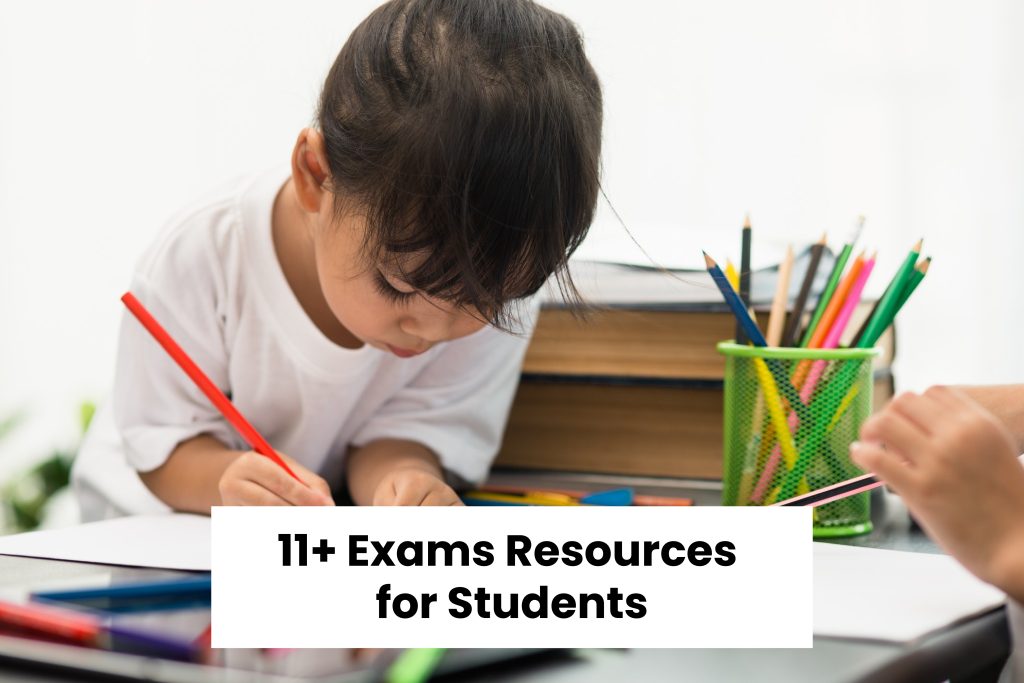
Preparing for 11+ Exams can feel overwhelming for both students and parents. This important entrance assessment opens the door to grammar schools and selective independent schools across the UK. Because competition is high, early preparation and the right support make a huge difference. Many families often wonder where to start, what materials to choose, and how to build a steady study routine without creating stress.
The key to success in 11+ Exams is not studying harder, but studying smarter. With structured 11 plus exam resources, consistent practice, and a clear plan, students can improve confidence and performance step by step. In this detailed guide, we will explore the best 11+ practice papers, 11+ revision materials, 11+ mock exams, study guides, worksheets, and effective test strategies that truly help children prepare in a balanced and confident way.
Understanding 11+ Exams
The 11+ Exams are selective entrance tests usually taken in Year 6. These exams assess a child’s ability in core subjects such as:
- English
- Mathematics
- Verbal Reasoning
- Non-Verbal Reasoning
Some areas may include creative writing or comprehension, depending on the school or county. Because formats vary, it is important to check your local authority or school requirements before choosing 11+ learning resources.
Why the Right 11 Plus Exam Resources Matter
Not all materials are equal. Choosing structured and reliable 11 plus exam resources ensures your child practices the correct question types and difficulty level. The right resources provide:
- Clear explanations
- Gradual difficulty progression
- Timed practice exercises
- Answer keys with solutions
Quality 11+ study guides and 11+ exam workbooks help students understand concepts rather than memorise answers.
11+ Practice Papers and Past Papers
One of the most effective preparation tools is regular use of 11+ practice papers. These simulate real exam conditions and help students become familiar with timing and structure.
- Benefits of 11+ Practice Papers
- Improve speed and accuracy
- Identify weak areas
- Build exam confidence
- Practice time management
Similarly, 11+ past papers allow children to understand the types of questions commonly asked. While exact questions may not repeat, patterns often remain similar.
Parents should aim to introduce practice papers gradually, starting untimed, then moving toward full timed 11+ mock exams.
11+ Revision Materials and Study Guides
Revision should not be random. Structured 11+ revision materials break topics into manageable sections. Good 11+ revision guides for students include:
- Step-by-step explanations
- Worked examples
- Practice quizzes
- Short topic tests
A clear 11+ study plan helps organise weekly goals. For example:
- Monday: Vocabulary building
- Tuesday: Maths worksheets
- Wednesday: Comprehension exercises
- Thursday: Reasoning questions
- Weekend: Mock exam practice
Consistency matters more than long study hours.
11+ English Preparation Resources
English plays a major role in 11+ Exams. Strong literacy skills improve performance in several sections.
Important English Areas
- 11+ Vocabulary Building
Students should read widely. Books, newspapers, and word games help expand vocabulary naturally.
- 11+ Grammar Practice
Understanding sentence structure, punctuation, and word classes is essential.
- 11+ Comprehension Exercises
These test understanding, inference, and analytical skills.
- 11+ English Exercises
Regular written practice improves clarity and expression.
Using structured 11+ literacy resources ensures students develop strong reading and writing confidence.
11+ Maths and Numeracy Resources
- Mathematics is another key part of 11+ Exams. Students need solid understanding rather than guesswork.
- Core Maths Topics
- Fractions and decimals
- Percentages
- Ratios
- Word problems
- Mental maths
Regular use of 11+ maths worksheets and 11+ numeracy resources strengthens problem-solving skills. Short daily practice sessions are more effective than last-minute revision.
Verbal and Non-Verbal Reasoning Preparation
Reasoning sections often challenge students because they require logical thinking.
- 11+ Reasoning Questions
- Word analogies
- Code-breaking
- Number sequences
- Shape patterns
- Rotations and reflections
Regular 11+ sample questions and timed 11+ practice quizzes help improve recognition speed and accuracy.
11+ Mock Exams and Online Practice Tests
Mock exams are extremely valuable. Full-length 11+ mock exams recreate real test pressure.
Benefits include:
- Improving exam stamina
- Managing stress
- Practicing timing
- Tracking progress
Many platforms now offer 11+ online practice tests, which are helpful for digital familiarity. However, balance screen time with paper-based practice.
Effective 11+ Exam Tips and Strategies
Preparation is not just about content. Smart 11+ exam techniques make a big difference.
- Practical 11+ Exam Preparation Tips
- Read instructions carefully
- Skip difficult questions and return later
- Practice timed sessions weekly
- Review mistakes calmly
- Avoid last-minute cramming
Clear 11+ test strategies help children stay composed during the exam.
Creating a Realistic 11+ Study Plan
A structured 11+ study plan should begin at least 8–12 months before the exam. The plan should include:
- Weekly goals
- Monthly progress checks
- Regular mock tests
- Balanced breaks
Parents must ensure preparation does not become stressful. Confidence grows when children feel supported rather than pressured.
Worksheets and Workbooks for Daily Practice
Daily use of 11+ worksheets for students helps reinforce learning. Good 11+ exam workbooks include:
- Mixed question sets
- Topic summaries
- Self-assessment sections
Short 20–30 minute sessions are usually enough for effective retention.
Building Strong Foundations for 11+ Exams Preparation
When preparing for 11+ Exams, one important thing parents often forget is that strong foundations matter more than rushing ahead. Before solving advanced questions, children need clarity in basic concepts. If a child struggles with fractions or grammar rules, jumping straight into difficult 11+ practice papers can damage confidence.
It is always better to pause, revise the basics, and move step by step. The goal of preparation is not to finish as many books as possible. The goal is to understand clearly and apply that knowledge comfortably. Slow and steady improvement builds long-term confidence, which is essential for 11+ Exams success.
The Importance of Reading Daily
Reading is one of the simplest yet most powerful tools for improving performance. Children who read regularly naturally improve vocabulary, comprehension, spelling, and sentence structure. This makes a noticeable difference in 11+ comprehension exercises and writing tasks.
Encourage your child to read:
- Storybooks suitable for their age
- Classic children’s novels
- Informative articles
- Short biographies
- Educational magazines
After reading, ask simple questions like:
What was the main idea?
Why did the character act this way?
What do you think will happen next?
These small conversations develop analytical thinking, which is very helpful in 11+ Exams.
Managing Time Effectively During Preparation
Time management is not just for exam day. It should begin during preparation. Children should learn how long to spend on each question type. For example:
- Vocabulary questions – quick thinking
- Maths word problems – careful reading
- Reasoning questions – pattern recognition
Using timed 11+ practice quizzes once or twice a week helps children build speed gradually. Start with extra time. Slowly reduce it until it matches real exam timing.
Avoid creating pressure. If a child feels rushed all the time, stress levels rise. Balanced practice works better than constant time pressure.
Supporting Your Child Without Pressure
Parents play a very important role in 11+ Exams preparation. Sometimes children feel stressed because they sense high expectations. The key is encouragement, not pressure.
Simple ways to support include:
- Creating a quiet study space
- Setting realistic goals
- Praising effort, not just results
- Taking regular breaks
- Keeping communication open
If a mock test score is low, treat it as feedback, not failure. Discuss mistakes calmly. Improvement happens when children feel safe to learn from errors.
Understanding Different Learning Styles
Every child learns differently. Some children understand better by reading. Others learn faster through visual aids or discussion.
For example:
- Visual learners benefit from diagrams and colour-coded notes.
- Auditory learners may prefer discussing answers aloud.
- Practical learners improve through solving many worksheets.
When selecting 11+ revision materials, consider your child’s learning style. Forcing one method on every child does not work. Personalised preparation leads to better results in 11+ Exams.
Avoiding Common Mistakes in Preparation
Many families make similar mistakes during 11+ preparation. Recognising these early can save time and stress.
- Starting Too Late
Last-minute preparation creates panic. Begin early and move gradually.
- Practising Only One Subject
All sections matter. Balance English, Maths, and Reasoning equally.
- Ignoring Weak Areas
Children often avoid difficult topics. These need extra attention.
- Overloading with Too Many Books
Too many resources cause confusion. Choose quality over quantity.
- Skipping Review Sessions
Revision is as important as learning new topics.
Avoiding these mistakes helps children stay focused and confident.
The Role of Practice in Building Confidence
Confidence grows from familiarity. The more children practise, the more comfortable they feel with question patterns. Regular exposure to 11+ sample questions reduces fear of the unknown.
Instead of solving full papers every day, mix different formats:
- Short daily quizzes
- Weekly timed sections
- Monthly full mock exams
This balanced approach prevents burnout and keeps preparation fresh.
Improving Mental Maths Skills
Mental maths is extremely useful in 11+ Exams. Many questions require quick calculations without long working.
Encourage children to practise:
- Times tables
- Quick addition and subtraction
- Percentage conversions
- Fraction simplification
Small daily drills improve speed significantly. Games and challenges can make practice enjoyable.
Strengthening Writing Skills
In areas where creative writing is included, children need to develop structured expression. Good writing includes:
- Clear introduction
- Logical flow
- Descriptive vocabulary
- Correct punctuation
- Strong conclusion
Encourage children to plan before writing. A short outline helps organise ideas clearly. Regular writing practice improves clarity and confidence.
Handling Exam Anxiety
It is natural for children to feel nervous about 11+ Exams. However, excessive anxiety affects performance.
To manage stress:
- Maintain regular sleep routines
- Avoid heavy study the night before tests
- Encourage deep breathing exercises
- Focus on effort rather than outcome
Mock exams help reduce anxiety because they make the environment familiar. When children know what to expect, fear decreases.
The Importance of Breaks and Balance
Studying continuously without breaks reduces productivity. The brain needs rest to absorb information.
A healthy study routine might include:
- 30 minutes study
- 5–10 minutes break
- Light physical activity
- Hydration and snacks
Balance academics with hobbies. Sports, art, or music help refresh the mind. A happy child learns better.
Tracking Progress Over Time
Tracking improvement keeps motivation high. Maintain a simple progress chart showing:
- Mock exam scores
- Vocabulary growth
- Accuracy rate in maths
- Reasoning improvement
Celebrate small improvements. Even a 5% increase in score is progress. Positive reinforcement builds resilience.
Encouraging Independent Learning
As exam day approaches, children should gradually take more responsibility. Encourage them to:
- Review mistakes independently
- Set weekly goals
- Organise their study schedule
- Ask questions when confused
Independence prepares them not only for 11+ Exams but also for secondary school life.
The Role of Healthy Habits
Physical health directly affects concentration. Proper nutrition and sleep are essential.
Make sure your child:
- Sleeps 8–9 hours daily
- Eats balanced meals
- Drinks enough water
- Limits screen distractions
A well-rested child performs better in problem-solving and comprehension tasks.
Preparing for the Final Weeks Before the Exam
In the final weeks, focus on revision rather than new topics. Review key concepts, formulas, grammar rules, and reasoning techniques.
Reduce study hours slightly to avoid burnout. Confidence is more important than cramming.
In the last few days:
- Revise summary notes
- Practise light questions
- Stay calm
- Prepare exam materials in advance
Avoid comparing your child with others. Every child progresses differently.
Building Long-Term Academic Skills
Even beyond 11+ Exams, the preparation journey builds valuable skills such as:
- Time management
- Critical thinking
- Discipline
- Problem-solving
- Reading habits
These skills benefit children throughout secondary school and beyond. The experience teaches resilience and focus.
Encouraging a Positive Mindset
Mindset plays a huge role in success. Teach children to say:
- I will improve with practice.
- Mistakes help me learn.
- I can try again.
Replace fear with curiosity. Instead of worrying about results, focus on learning progress.
Positive thinking strengthens performance.
Making Preparation Enjoyable, Not Stressful
One thing many parents notice during 11+ Exams preparation is that children sometimes lose interest if the process becomes too serious. When everything feels like pressure, learning becomes heavy. The goal should be to keep preparation structured but still enjoyable.
You can turn revision into small challenges or games. For example:
- Set a timer and see how many vocabulary words your child can correctly explain in five minutes.
- Play quick mental maths competitions at dinner time.
- Solve reasoning puzzles together on weekends.
When learning feels interactive, children stay engaged for longer. Smiles and laughter during study sessions make a big difference. A relaxed child absorbs more information than a stressed one.
Understanding That Progress Is Not Always Straight
While preparing for 11+ Exams, there will be good weeks and slower weeks. Some mock test scores may improve quickly. Others might drop unexpectedly. This is normal.
Progress is rarely a straight line. Sometimes a child struggles with a new topic before fully understanding it. That short struggle is part of learning. Instead of reacting negatively to a lower score, look at patterns. Ask:
- Was the paper harder than usual?
- Did your child feel tired?
- Were there specific topics that need review?
By analysing calmly, you turn setbacks into learning opportunities.
Practising Accuracy Before Speed
Many children focus too much on finishing quickly. While timing matters in 11+ Exams, accuracy should come first. If a child rushes and makes careless mistakes, confidence drops.
Encourage careful reading of questions. In comprehension tasks, remind them to underline key words. In maths, double-check calculations. In reasoning, look closely at patterns before choosing an answer.
Once accuracy improves, speed will naturally follow.
Teaching Smart Question Selection
In 11+ Exams, children may come across difficult questions. It is important they learn not to panic. A useful habit is to skip hard questions and return later.
Teach them this simple approach:
- Answer easy questions first.
- Mark difficult ones lightly.
- Return if time allows.
This strategy builds control. It prevents children from wasting too much time on one question and losing marks elsewhere.
Encouraging Reflection After Every Mock Test
Mock tests are valuable only if reviewed properly. After completing a paper, spend time discussing:
- Which questions were easy?
- Which felt confusing?
- Were mistakes due to misunderstanding or rushing?
Instead of simply checking the score, focus on understanding the mistakes. This reflection strengthens long-term improvement.
Keep a small notebook where your child writes down:
- New vocabulary learned
- Maths formulas to remember
- Reasoning tricks discovered
These notes become powerful revision tools closer to exam day.
Building Exam Day Confidence
As 11+ Exams approach, mental preparation becomes just as important as academic revision. Talk positively about the exam. Avoid phrases that create fear.
Simple reminders can help:
- You have practised well.
- Just try your best.
- Stay calm and read carefully.
The night before the exam should be peaceful. No heavy revision. A light review and early sleep are better than last-minute stress.
On exam morning, keep routines normal. A healthy breakfast and a few encouraging words can set the tone for the day.
The Power of Routine
Children perform better when they have a predictable routine. Try to set fixed study times each day. Even 30–40 minutes daily at the same time builds discipline.
For example:
- After school snack
- Short rest
- Study session
- Break
- Light review
Consistency creates habit. And habit reduces resistance.
When preparation becomes part of daily life, it feels natural rather than forced.
Avoiding Comparison With Other Children
One of the biggest causes of stress during 11+ Exams preparation is comparison. Parents sometimes hear about other children completing many books or scoring very high in mock exams.
Every child is different. Some improve quickly. Others need more time. What matters is your child’s personal growth.
Focus on individual progress. Celebrate improvement in weaker areas. A child who moves from 50% to 65% has made strong progress. That improvement deserves recognition.
Keeping Motivation Alive
Long preparation periods can feel tiring. To keep motivation strong:
- Set short-term goals.
- Offer small rewards for effort.
- Display progress charts visibly.
- Praise consistency.
Even simple encouragement like “I’m proud of your effort” builds emotional strength.
Remind your child why they are preparing. Talk about opportunities ahead, new schools, new friends, and new experiences. A clear purpose fuels determination.
Maintaining Balance Until the End
Even in the final months before 11+ Exams, balance is essential. Do not remove hobbies completely. Physical activity helps the brain function better.
Encourage:
- Outdoor play
- Sports
- Family outings
- Creative activities
A balanced lifestyle keeps children mentally fresh. Exhaustion reduces concentration and memory.
Remembering the Bigger Picture
While 11+ Exams are important, they are not the only path to success. It is helpful for children to understand that one exam does not define their future.
When children feel secure and supported, they perform better. Confidence comes from knowing that effort matters more than outcome.
Preparation for 11+ Exams teaches responsibility, organisation, and resilience. These lessons are valuable beyond the exam itself.
How Quest for Exam Can Help You Succeed in 11+ Exams
Preparing for 11+ Exams becomes easier when you have structured guidance and expert support. Quest for Exam provides carefully designed 11+ learning resources, practice papers, mock exams, and revision guides tailored to UK entrance exam standards.
At Quest for Exam, students receive:
- Personalised 11+ assessment help
- Targeted practice materials
- Clear 11+ entrance exam support
- Confidence-building mock sessions
- Step-by-step study guidance
Our approach focuses on understanding, consistency, and confidence. We don’t just provide worksheets; we provide direction. With expert-designed 11+ preparation books, structured online practice tests, and proven strategies, students feel ready and calm on exam day.
Success in 11+ Exams is not about pressure. It is about preparation with the right support syste,m and that is exactly what Quest for Exam delivers.
FAQs
- When should my child start preparing for 11+ Exams?
Ideally, preparation should begin 8–12 months before the exam to allow steady progress without stress.
- How many 11+ practice papers should a child complete?
Quality matters more than quantity. Around 15–25 well-reviewed practice papers are usually sufficient.
- Are 11+ mock exams necessary?
Yes, mock exams help students manage time and reduce exam anxiety.
- What subjects are included in 11+ Exams?
Most exams include English, Mathematics, Verbal Reasoning, and Non-Verbal Reasoning.
- How can I help my child stay motivated?
Keep study sessions short, celebrate small improvements, and maintain a positive environment.