

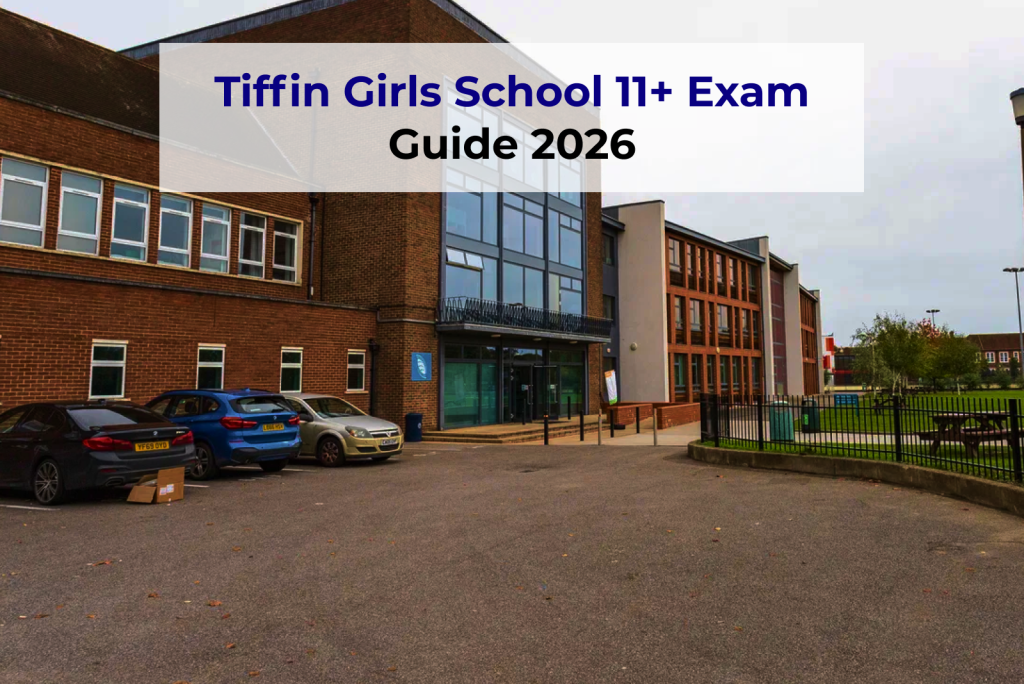
For many families across Kingston and surrounding areas, securing a place at Tiffin Girls School is a long-held goal. The school is widely respected for its academic excellence, strong discipline, and consistently high GCSE and A-Level outcomes. As a selective grammar school, entry is competitive, and the 11+ exam process can feel daunting without clear guidance.
This Tiffin Girls School 11+ Exam Guide 2026 is written to help parents understand exactly how the exam works, what subjects are tested, and how to prepare in a calm, structured way. Whether your child is just starting preparation or already sitting practice papers, this guide aims to remove confusion and replace it with clarity.
Understanding Tiffin Girls School and Its Reputation
Tiffin Girls School is one of the most academically successful state grammar schools in England. Often referred to informally as tiffins girls school, it attracts applicants from a wide geographic area due to its strong reputation.
Parents frequently read tiffin girls school reviews highlighting:
- Excellent academic results
- High expectations and discipline
- Strong university progression
- A focused learning environment
It’s important to restate that Tiffin Girls School is a grammar school, meaning entry is based entirely on performance in the 11+ entrance exam rather than proximity alone.
Is Tiffin Girls School Free?
A common question from parents relates to cost. Despite its strong reputation, tiffin girls school fees are not charged, as it is a state-funded grammar school. This is one reason competition for places is so intense.
However, families should be aware of optional costs such as:
- School trips
- Uniform
- Extracurricular activities
These are not admissions requirements but are part of school life.
Tiffin Girls’ School Admissions 2026
Tiffin Girls’ School admissions 2026 follow a two-step process:
Registration for the entrance exam (directly with the school)
Secondary school application through the local authority
Missing either step can result in automatic exclusion, so organisation is critical.
Parents searching for the Tiffin Girls’ School admissions process should start early, ideally by the spring or summer of Year 5.
Tiffin Girls School 11+ Exam: What Is Tested?
The Tiffin Girls School 11+ exam is designed to assess academic ability and potential. It typically includes the following Tiffin Girls 11+ exam subjects:
- English
- Mathematics
- Reasoning (verbal and sometimes non-verbal)
The exam is challenging and time-pressured, testing not just knowledge but speed, accuracy, and composure.
Tiffin Girls 11+ Exam Format
The Tiffin Girls 11+ exam format usually involves multiple papers sat on the same day. These papers are standardised, meaning raw scores are adjusted to account for age differences.
The Tiffin Girls 11+ test is designed to rank candidates rather than simply pass or fail them. This ranking plays a major role in who receives an offer.
English: What to Expect
Tiffin Girls 11+ English focuses heavily on:
- Reading comprehension
- Vocabulary
- Inference and interpretation
Papers may include unseen texts with questions requiring clear, precise answers. Writing tasks, when included, assess clarity rather than creativity alone.
Regular reading and discussion at home are some of the most effective ways to support English preparation.
Maths: Accuracy Under Pressure
Tiffin Girls 11+ Maths is based on Key Stage 2 content but presented in demanding ways. Topics often include:
- Arithmetic
- Fractions, decimals, percentages
- Word problems
- Logical reasoning
Speed and accuracy both matter. Many capable pupils lose marks by rushing, so practising calm problem-solving is essential.
Verbal and Non-Verbal Reasoning
Tiffin Girls verbal reasoning tests logical thinking using words, patterns, and sequences. Questions often include:
- Synonyms and antonyms
- Codes
- Logical deductions
Some years also include Tiffin Girls non-verbal reasoning, focusing on shapes, sequences, and visual patterns.
These sections improve steadily with exposure and practice, rather than memorisation.
Tiffin Girls 11+ Syllabus: What Parents Should Know
There is no officially published Tiffin Girls 11+ syllabus, but the exam broadly reflects:
- Upper Key Stage 2 curriculum
- Extended reasoning skills
- Advanced comprehension
This is why Tiffin Girls 11+ preparation guide materials often go beyond standard schoolwork.
Practice Papers and Mock Tests
Using Tiffin Girls 11+ papers, Tiffin Girls 11+ practice papers, and Tiffin Girls 11+ mock tests helps children:
- Understand exam style
- Improve time management
- Build confidence
- Identify weak areas
Practice should be gradual and consistent, not overwhelming.
How Competitive Is Tiffin Girls School?
Parents often ask whether Tiffin Girls grammar school 11+ is one of the hardest exams. In reality, it is competitive because:
- The school is highly ranked
- Places are limited
- Applicants come from a wide area
This leads to high cut-off scores, especially for out-of-catchment candidates.
Tiffin Girls School Catchment Area
The tiffin girls school catchment area plays a role after exam ranking. High-scoring candidates living closer to the school are prioritised.
However, girls from outside catchment can still receive offers if their scores are high enough.
Term Dates and School Life
Parents also research tiffin girls school term dates to understand the academic rhythm of the school year. The school follows a traditional three-term structure with a demanding academic pace.
Students are expected to manage homework, revision, and extracurricular activities independently from an early stage.
Is Tiffin Girls School the Right Fit?
While academically excellent, Tiffin Girls School is best suited to students who:
- Enjoy challenge
- Work well under pressure
- Are organised and resilient
Families should consider learning style and wellbeing, not just exam results.
Common Mistakes Parents Make
Some frequent pitfalls include:
- Starting preparation too late
- Focusing only on scores
- Ignoring reasoning practice
- Creating too much pressure at home
A calm, informed approach usually leads to better outcomes.
The Emotional Reality of Preparing for Tiffin Girls School
For many families, preparing for the Tiffin Girls School 11+ exam becomes more than just an academic task. It slowly turns into an emotional journey. Parents often feel responsible for “getting it right,” while children may feel the weight of expectations even if no one says anything out loud.
Some girls become unusually quiet. Others start worrying about small mistakes or comparing themselves to friends who are also preparing. These reactions are normal, especially when the school is known for being academically demanding. What matters most is how parents respond during these moments.
Reassurance, patience, and calm routines help children stay emotionally steady. A child who feels supported is far more likely to perform well than one who feels watched or judged.
Why Early Familiarity Matters More Than Heavy Study
One of the biggest misunderstandings about 11+ preparation is the idea that more study automatically leads to better results. In reality, familiarity with exam style matters far more than endless hours of practice.
Girls preparing for Tiffin Girls School benefit most when they:
- Understand how questions are worded
- Recognise common patterns
- Feel comfortable with time limits
This familiarity reduces panic on exam day. When the format feels known, the brain works more clearly. Heavy study without understanding often leads to stress, not confidence.
Helping Your Child Build Confidence Without Pressure
Confidence plays a huge role in selective exams. Even academically strong girls can underperform if they feel anxious or rushed.
Parents can help by:
- Praising effort instead of scores
- Talking openly about mistakes as learning moments
- Avoiding comparisons with other children
Statements like “You’re improving” or “That question was tricky, and you handled it well” are far more helpful than focusing on marks alone. Confidence grows when children feel safe to try.
Understanding Why Tiffin’s Questions Feel Different
Many parents notice that Tiffin-style questions feel harder than standard schoolwork, even when the content is familiar. This is usually because:
- Questions combine multiple steps
- Instructions are longer and more detailed
- Time pressure is higher
Teaching children to slow down, read carefully, and think before answering can significantly improve accuracy. Rushing is one of the biggest reasons capable students lose marks.
English Preparation: Thinking Beyond Reading
Strong English performance at Tiffin Girls School is closely linked to thinking skills, not just reading ability. Girls are often expected to:
- Infer meaning
- Explain ideas clearly
- Choose precise answers
Parents can support this naturally by talking about books, articles, or even everyday situations. Asking questions like “Why do you think that happened?” or “What does that word suggest?” builds exam-relevant thinking without making it feel like study.
Maths: Calm Thinking Beats Speed
In maths, many girls know the concepts but lose marks by rushing. Word problems, in particular, can feel overwhelming if read too quickly.
Encourage your child to:
- Identify what the question is really asking
- Ignore unnecessary information
- Break the problem into steps
This calm approach helps reduce careless errors and builds trust in their own thinking.
Reasoning Skills Improve Slowly
Verbal and non-verbal reasoning often improve more slowly than English or maths. This can frustrate both parents and children.
It’s important to remember that reasoning is about:
- Pattern recognition
- Logical relationships
- Flexible thinking
Progress comes gradually through exposure and reflection. Sudden jumps are rare, but steady improvement is common when practice is consistent and pressure is low.
Avoiding Burnout During the Preparation Year
Burnout is more common than many parents realise. Signs may include:
- Sudden reluctance to practise
- Emotional outbursts over small mistakes
- Rushing through papers without care
- Loss of motivation
When this happens, doing less is often better than doing more. Short breaks, lighter weeks, or changing the type of activity can restore focus and confidence.
A tired child does not learn well, no matter how strong their ability.
Talking About Outcomes Without Creating Fear
Children often worry about disappointing their parents, even when parents don’t say anything directly. The language used at home matters a great deal.
Helpful messages include:
- We’re proud of you for trying.
- This exam doesn’t define you.
- There are many good schools and many paths.
These messages reduce fear and help children focus on doing their best rather than trying to be perfect.
Exam Day: What Really Helps
By the time exam day arrives, learning should already be complete. The focus should shift to emotional support and routine.
On the day:
- Keep the morning calm and familiar
- Avoid last-minute revision
- Offer reassurance, not reminders
Children who feel calm and supported tend to think more clearly and manage time better during the exam.
After the Exam: Managing the Waiting Period
The period between the exam and results can feel long and uncertain. Some children want to talk about the exam immediately, while others prefer to move on.
Both responses are normal. Parents can help by:
- Avoiding detailed post-exam analysis
- Encouraging normal routines
- Letting children process in their own way
Constant discussion of “what went wrong” rarely helps and often increases anxiety.
Understanding Results Without Losing Perspective
When results arrive, it’s important to explain them carefully. Scores and rankings can feel very personal to children.
Help your child understand that:
- Results reflect performance on one da
- Small score differences can affect outcomes
- Effort and ability are not the same as ranking
Keeping perspective protects confidence and self-esteem, regardless of the outcome.
Preparing for Secondary School Life
Whether or not your child secures a place at Tiffin Girls School, the transition to secondary school is a major step.
Supporting this transition includes:
- Encouraging independence
- Practising organisation skills
- Talking about new routines and expectations
Girls who feel prepared for change often settle more quickly and confidently.
Looking Beyond One School
While Tiffin Girls School is highly respected, it is not the only place where bright, motivated students succeed. Many children thrive in different environments, sometimes in ways parents did not initially expect.
What matters most is:
- Feeling supported
- Being challenged appropriately
- Having opportunities to grow
These factors exist in many schools, not just the most competitive ones.
A Gentle Reminder for Parents
The 11+ journey can feel intense, but it is only one chapter in a much longer story. Your child’s character, confidence, and wellbeing matter far more than a single exam result.
By staying calm, informed, and supportive, parents give their children the greatest advantage of all the belief that they are capable, valued, and able to face challenges with resilience.
That belief will carry them far beyond any entrance exam, no matter where their educational journey leads next.
Finding the Right Balance in the Final Months
As the exam date gets closer, many families feel an urge to increase the intensity of preparation. While this reaction is understandable, the final months are often about balance rather than more work. By this stage, children usually know the material they are going to know. What they need most is stability, reassurance, and confidence.
Keeping routines consistent helps reduce anxiety. Practising at the same time of day, maintaining regular breaks, and allowing space for relaxation can make a noticeable difference in how a child approaches revision. When preparation feels predictable rather than rushed, children tend to focus better and make fewer careless mistakes.
Supporting Independence Without Stepping Back Too Far
Preparing for a selective exam is also a chance to gently build independence. Rather than directing every study session, parents can encourage children to take small steps in managing their own learning. This might include choosing which section to practise, checking answers themselves, or deciding when they feel ready to move on.
This sense of ownership helps children feel more confident and responsible. It also prepares them for secondary school, where independence becomes increasingly important. Support remains essential, but trust plays an equally powerful role.
Keeping Perspective as a Family
As results approach, emotions can run high. It’s helpful to pause and remember why this journey began. Most families want a school where their child feels challenged, supported, and able to grow. That outcome is not limited to one specific place.
Talking openly as a family about hopes and concerns can reduce unspoken pressure. Children who feel listened to often cope better with uncertainty and change. Whatever the result, the effort put into preparation builds skills that last far beyond one exam.
Looking Ahead With Confidence
When the admissions process is over and a new chapter begins, many parents look back and realise how much their child has grown. Increased focus, resilience, and problem-solving ability are valuable outcomes in their own right.
With calm support and realistic expectations, families can move forward confidently, knowing they have helped their child not just prepare for an exam, but develop the mindset needed to thrive in the years ahead.
How Quest for Exam Can Support Tiffin Girls 11+ Preparation
Preparing for the Tiffin Girls 11+ 2026 exam requires more than random worksheets. Quest for Exam supports families by providing structured, exam-style preparation aligned with grammar school expectations.
Quest for Exam helps by:
- Offering realistic practice aligned with selective school standards
- Supporting gradual skill development
- Helping parents track strengths and weaknesses clearly
- Reducing anxiety through familiarity and structure
For families navigating Tiffin Girls School entrance exam preparation, having a clear, guided approach can make the journey far more manageable.
FAQs
Is Tiffin Girls School free to attend?
Yes. It is a state grammar school with no tuition fees.
Does living closer guarantee a place?
No. Exam ranking comes first, then catchment.
Is the 11+ exam very difficult?
It is challenging due to competition, not because content is beyond Key Stage 2.
When should preparation start?
Many families begin light preparation in Year 4 or early Year 5.
Are mock tests important?
Yes. Mock tests help children manage time and exam pressure.