

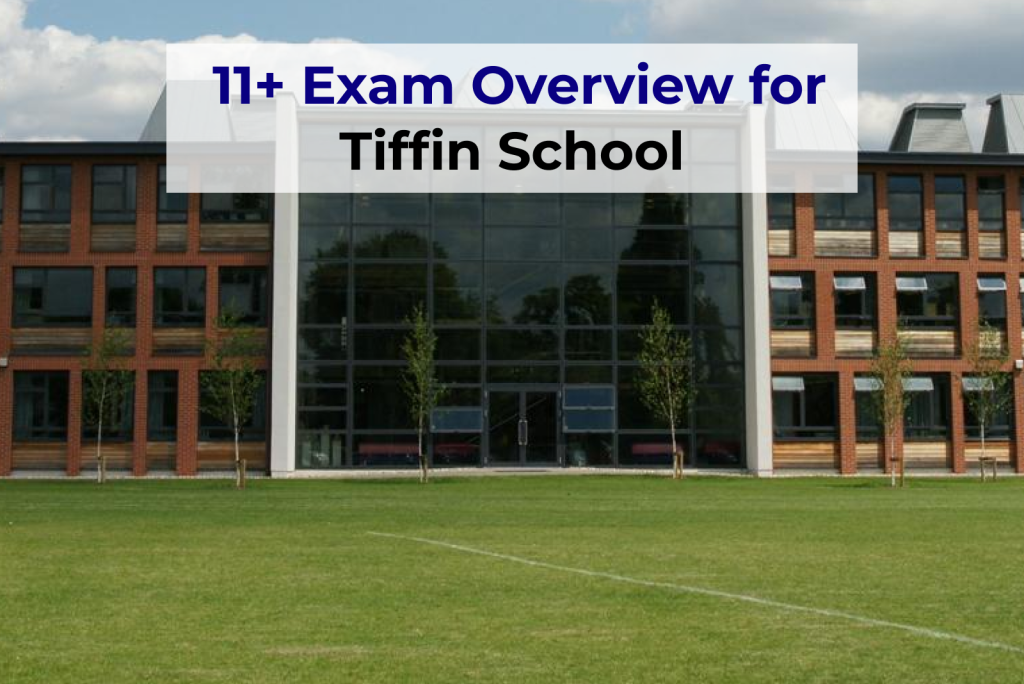
If you are a parent dreaming of a top-class education for your child, then Tiffin School is probably one of the first names that comes to mind. Known for its exceptional academic results, strict discipline, and outstanding university placements, Tiffin School is one of the most competitive grammar schools in the UK. Every year, thousands of families prepare intensely for the 11+ exam just for a few hundred seats. The pressure is real. Parents worry about preparation. Children feel the stress.
And questions never stop:
Is Tiffin School fee-paying?
Does Tiffin School have a catchment area?
How hard is it to get into Tiffin Girls’ School?
This guide will walk you through everything in simple, clear, and practical language, without confusion or complicated jargon.
What Is Tiffin School and Why Is It So Famous?
Tiffin School is a selective state grammar school for boys, while The Tiffin Girls’ School is one of the most respected girls’ grammar schools in the country.
Parents often confuse:
- tiffin boys school
- tiffins boys school
- tiffin girls school
- tiffins girls school
- the tiffin girls’ school
- tiffin grammar school
- tiffins school
All of these refer to the Tiffin family of schools, which are state-funded grammar schools, not private institutions.
What makes them special?
- Consistently top GCSE & A-Level results
- Very high university placement rates
- Strong focus on discipline & leadership
- Excellent facilities & extracurriculars
- Highly competitive admissions process
The 11+ Exam for Tiffin School
The 11+ exam for Tiffin School is designed to select students with:
- Strong academic foundations
- Fast logical thinking
- High reading comprehension
- Excellent mathematical accuracy
The test usually includes:
English
- Reading comprehension
- Vocabulary
- Writing ability
- Grammar & punctuation
Mathematics
- Fractions, percentages
- Word problems
- Algebra basics
- Logical number patterns
Verbal & Non-Verbal Reasoning
- Pattern recognition
- Codes and sequences
- Shape reasoning
Many parents preparing for tiffin boys school and tiffin girls’ school say the biggest challenge is speed under pressure, not the syllabus itself.
How Competitive Is Tiffin School?
Let’s be honest , getting into Tiffin School is extremely difficult.
Each year:
- 3,000+ students apply
- Only 180–200 seats are available
Parents constantly ask:
How hard is it to get into Tiffin Girls’ School?
The short answer: Very hard. But not impossible with the right preparation.
Children who succeed:
- Start early
- Practice regularly
- Take mock exams seriously
- Build confidence alongside academics
Tiffin School Catchment Area – Does Location Matter?
One of the most searched questions is:
- tiffin school catchment area
- tiffin girls school catchment area
- does tiffin school have a catchment area
Here’s the truth in simple words:
- Tiffin School is NOT restricted by a strict catchment area like some grammar schools.
- Students from across Greater London and beyond can apply.
However, distance becomes important after exam results when allocating final seats.
So yes , proximity helps, but performance matters more.
Is Tiffin School Fee Paying or Free?
Parents are often shocked when they learn the answer to:
- is tiffin school fee paying
- Tiffin School and Tiffin Girls’ School are completely FREE state schools.
You only pay for:
- Uniform
- Transport
- Trips & activities
This is why competition is even more intense , you get a private-school level education without private-school fees.
Tiffin Girls’ School Fees & Reviews
Many parents search:
- tiffin girls’ school fees
- tiffin girls’ school reviews
- tiffin school reviews
Here’s what reviews commonly highlight:
- Exceptional academic support
- Strong pastoral care
- Very motivated student body
- High homework standards
- Competitive but rewarding environment
Some parents also mention:
- Heavy workload
- High pressure during exam years
- Needs strong emotional balance at home
Overall, both tiffin girls’ school and tiffin boys school remain among the most respected grammar institutions in the UK.
Tiffin Girls School Term Dates Why Parents Monitor Them Closely
Parents frequently search:
- tiffin girls school term dates
Why?
Because:
- Exam schedules
- Interviews
- Induction days
- Orientation programs
all depend on official school calendars.
Term dates usually follow:
- Autumn: September – December
- Spring: January – April
- Summer: April – July
11+ exams typically take place in September each year.
Do Tiffin Schools Offer Scholarships or Bursaries?
Another common question:
- do tiffin school have equivalent of a scholorship
Since Tiffin schools are state-funded grammar schools, they do not offer traditional scholarships like private schools.
However, financial support schemes exist for:
- Uniform assistance
- Lunch support
- Travel help (for eligible families)
- Did Seamus Milne’s Children Go to Tiffin School?
Many parents search:
did seamus milnes children go to tiffin school
This comes from public discussions about high-achieving families choosing grammar schools. While individual family records are private, it reflects the strong reputation of Tiffin School among well-educated professionals.
How Children Emotionally Experience the Tiffin 11+ Journey
Behind every application is a child who feels:
- Fear of failure
- Pressure to succeed
- Comparison with classmates
- Worry about disappointing parents
This is true whether the child is preparing for tiffins boys school or tiffins girls school.
Parents who manage:
- Encouragement
- Calm routine
- Balanced expectations
- Emotional safety
often see better long-term results , not just in exams, but in confidence and self-belief.
Study Strategy That Works for Tiffin School Without Burnout
Here’s a realistic routine many successful families follow:
Weekdays
- 30 min English
- 30 min Maths
- 15 min Reasoning
- 10 min light revision
Weekends
- One full mock test
- Mistake analysis
- Relaxation & playtime
- Children preparing for tiffin grammar school need consistency, not exhaustion.
Why Tiffin School Produces Consistent Top Results
Tiffin students benefit from:
- Highly qualified teachers
- Structured lesson pacing
- Strong internal competition
- Advanced subject progression
- Early exposure to A-Level thinking
Whether at tiffin girls’ school or tiffin boys school, students learn to think independently and critically.
What Happens After the 11+ Exam for Tiffin School?
After the test:
- Scores are calculated
- Ranking lists are prepared
- Provisional offers are sent
- Waiting lists are created
- Final confirmations issued
Many excellent students still remain on waiting lists due to the extreme demand.
What If My Child Does Not Get Into Tiffin School?
This is every parent’s deepest fear.
Let’s be clear:
- Not getting into Tiffin School does NOT mean your child is weak.
- It does NOT define intelligence.
- It does NOT limit future success.
Many students who miss Tiffin later:
- Excel in other grammar schools
- Achieve top GCSEs & A-Levels
- Enter Russell Group universities
- Thrive professionally
Education is a long journey, not a single exam result.
Why Parents Still Chase Tiffin School Year After Year
Despite the pressure, families continue to apply because:
✔ World-class results
✔ Free high-quality education
✔ Elite peer group
✔ Outstanding alumni success
✔ Strong discipline & values
For most parents, Tiffin School represents opportunity, structure, and long-term advantage.
The Emotional Side of Preparing for Tiffin School
Preparing for Tiffin School is not just an academic journey , it’s an emotional one. For many children, this is the first time they face something truly competitive. They feel excitement one day and fear the next. Some children become quiet. Others grow restless. Many parents notice subtle changes: less play, more self-doubt, more questions about “what if I fail?”
And parents? They carry a silent storm of worries:
- Am I pushing too hard?
- Am I doing enough?
- What if my child feels broken by rejection?
Whether your child is aiming for tiffin boys school, tiffin girls school, or tiffin grammar school, the pressure is intense. It’s important to understand that this emotional weight is normal , and how you handle it at home can shape how your child remembers this phase for life.
Children who feel supported emotionally often perform better academically. Not because they study more , but because they study with confidence instead of fear.
Why Many Bright Children Still Struggle With the Tiffin 11+
Many parents assume that only average students fail and only top students pass. This simply isn’t true.
Some extremely bright children struggle with:
- Time pressure
- Overthinking
- Exam anxiety
- Fear of mistakes
- Mental blocks during tests
The Tiffin 11+ exam doesn’t only measure intelligence. It measures:
- Speed
- Calmness
- Focus under pressure
- Accuracy during stress
A child who understands every math topic can still score lower than a child who works fast and calmly. This is why practice under real exam conditions matters so much.
The Difference Between Smart Study and Stress Study
There are two kinds of preparation:
❌ Stress Study
- Long hours
- Constant tests
- No rest
- Anger over mistakes
- Fear-driven motivation
- This burns children out quickly.
✅ Smart Study
- Short daily sessions
- Clear targets
- Rest days included
- Calm mistake review
- Effort praised more than scores
Children preparing for tiffins girls school or tiffins boys school perform best under Smart Study. Their minds stay fresh. Their confidence grows. Their learning stays permanent.
How Parental Behaviour Shapes a Child’s Exam Mindset
Children mirror what parents project.
If parents:
- Panic over every mock score
- Compare siblings or classmates
- Keep discussing competition
- Talk about failure constantly
- Children internalize fear.
- On the other hand, when parents:
- Praise effort
- Stay calm on bad days
- Celebrate small improvements
- Talk about learning instead of ranking
- Children grow stronger mentally.
For families targeting Tiffin School, this mental strength becomes the difference between freezing in the exam hall and performing naturally.
Why Children at Tiffin Are Known for Discipline and Focus
One of the most respected qualities of Tiffin School students is discipline , not forced discipline, but structured self-control.
From the first year itself, students learn:
- Time management
- Independent study
- Homework responsibility
- Classroom focus
- Respectful communication
Whether at tiffin girls’ school or tiffin boys school, students quickly learn that success comes from:
- Consistency
- Responsibility
- Accountability
This training shows up later in:
- GCSE performance
- Sixth form workload handling
- University readiness
What a Typical Tiffin Student’s Academic Life Looks Like
A student at tiffins school does not just attend classes and go home. Their routine usually includes:
- Daily homework
- Subject revision
- Club activities
- Sports training
- Music or debate sessions
- Independent reading
This builds:
✔ Academic endurance
✔ Multitasking skills
✔ Leadership confidence
✔ Healthy competition
This is why Tiffin students often excel far beyond school years.
Why Tiffin’s Reputation Keeps Growing Every Year
Parents often ask why tiffins school reviews remain so strong year after year. The answer lies in consistency.
Unlike many institutions that change leadership or policies often, Tiffin maintains:
- Stable academic structures
- Clear admission standards
- Transparent exam process
- Balanced student development
Whether discussing tiffin girls’ school reviews or general tiffin school reviews, one pattern remains common , parents praise:
- Teaching quality
- Exam discipline
- Moral environment
- Academic results
The Role of Peer Environment in Student Growth
A child’s classmates quietly shape their discipline, effort, and confidence.
At Tiffin School, most students:
- Take studies seriously
- Respect competition
- Discuss goals
- Push each other forward
When surrounded by focused peers, children naturally raise their own standards.
This is why parents feel that entry into tiffin boys school or tiffin girls school changes a child’s mindset within months , not because of pressure, but because of positive influence.
What Life Teaches Children Who Don’t Get Into Tiffin
As painful as rejection feels, it often becomes a powerful life lesson.
Children who miss out on Tiffin School learn:
- How to digest disappointment
- How to adapt quickly
- How to rebuild confidence
- How to find their own path
Some grow even stronger than those who got selected, because they develop:
✔ Emotional resilience
✔ Self-motivation
✔ Long-term perseverance
Many parents later realize that although they desperately wanted Tiffin, their child flourished beautifully elsewhere.
Why Tiffin Is Seen as a “Turning Point” in Many Families
For many families, applying to Tiffin School is not just about school , it feels like a turning point in life.
It represents:
- Upward mobility
- Academic pride
- Family hopes
- Generational aspiration
Some families have siblings, cousins, even parents who studied at Tiffin. For them, the pressure becomes emotional legacy. This is where parents must stay extra conscious not to place inheritance pressure on children.
Balancing Ambition With Emotional Safety
Ambition is healthy. Pressure is dangerous.
You can:
- Aim high
- Work hard
- Set targets
- Track progress
But never:
❌ Humiliate over failure
❌ Threaten with consequences
❌ Compare with others
❌ Attach love to results
When parents strike this balance, children perform with joy instead of fear , including those preparing for tiffin grammar school.
Teen Development Starts Earlier Than We Think
The 11+ phase often marks the beginning of emotional adolescence. Children begin questioning:
- Their abilities
- Their worth
- Their identity
Parents who think only about exam outcome miss this deeper mental development happening quietly at age 10–11.
This is the age where:
- Confidence can be built forever
- Self-doubt can take root
- Learning can become joyful or fearful
Your behaviour during this phase becomes part of your child’s emotional foundation.
Why Some Parents Regret Being Too Strict
Years later, some parents say:
I wish I had been gentler during exams.
Not because their child failed , many of these children succeeded magnificently. But because:
Childhood felt rushed
Fear replaced fun
Pressure replaced connection
Education brings lifelong benefits. Childhood never comes back.
What Children Really Need During 11+ Preparation
More than books and tuition, children truly need:
- Listening ears
- Safe space to fail
- Patience on bad days
- Encouragement on hard topics
- Praise for effort
These emotional supports multiply academic performance naturally.
Why the Tiffin 11+ Should Be Treated as a Learning Experience
Whether your child:
- Passes and enters Tiffin School
- Lands on the waiting list
- Or misses the cutoff completely
The preparation still teaches:
✔ Discipline
✔ Study routines
✔ Time management
✔ Personal responsibility
Many children who go through the Tiffin exam process later dominate:
- GCSE
- A-Levels
- Olympiads
- Competitive university programs
- Because they learned how to work.
What Success Actually Means in the Long Run
Many parents define success as:
- Getting into Tiffin
- Top GCSE grades
- Elite universities
But life later teaches that real success includes:
- Emotional stability
- Ethical character
- Financial intelligence
- Relationship skills
- Self-respect
School builds the first layer. Home builds the core.
How Tiffin Shapes Leadership Mindsets
One quiet but powerful feature of Tiffin education is leadership grooming.
Students:
- Lead clubs
- Manage projects
- Organize competitions
- Speak confidently in assemblies
This early leadership exposure becomes visible years later , at university, in careers, in business, in professional confidence.
Why Many Employers Respect Tiffin Alumni
Employers often associate Tiffin graduates with:
- Strong work ethic
- Analytical thinking
- Discipline
- Self-driven attitude
- Long-term consistency
This reputation adds invisible value throughout adulthood.
When Parents Should Step Back Slightly
There comes a point during 11+ preparation where:
- Parents must reduce control
- Children must take ownership
- This usually happens when:
- Study plans are understood
- Weak areas are clear
- Practice becomes self-driven
Micromanagement at this stage often hurts more than it helps.
What Parents Learn About Themselves During This Phase
Many parents discover:
- Their own patience limits
- Their fear of uncertainty
- Their emotional attachment to outcomes
- Their personal educational insecurities
This phase often becomes a mirror , revealing how parents interpret success, failure, pride, and comparison.
Why the Tiffin Journey Leaves a Permanent Family Impact
Even after the exam is over, families continue to remember:
- Late-night study sessions
- Last-minute practice
- Emotional breakdowns
- Quiet reassurances
- Nervous exam mornings
These moments quietly bond families , when handled with warmth.
Final Reflection on the Tiffin 11+ Journey
The journey toward Tiffin School is intense, emotional, competitive , but also deeply formative.
Some children enter the school and thrive there.
Some follow different paths and thrive elsewhere.
But every child who takes this journey learns:
- How to try
- How to fail
- How to grow
- How to persist
And those lessons stay long after school ends.
The Quiet Confidence That Comes After the 11+ Journey
One of the most beautiful changes many parents notice after the Tiffin School 11+ journey is not just academic growth , it’s quiet confidence. Something shifts inside children when they go through structured preparation, face pressure, and learn to manage expectations. Whether they pass or not, they begin to trust their own effort. They start understanding that success is built through consistency, patience, and self-belief.
Many children who prepare for tiffin boys school or tiffin girls school become more independent learners. They stop asking for answers immediately. They start thinking first. They learn how to handle mistakes without breaking down. These small inner changes shape their future much more than a single admission outcome.
Parents also change during this phase. They become more aware of their own reactions, their own fears, and the impact their words carry. Some parents realize they were too strict. Others learn they need to push a little more. This balance , between guidance and trust , becomes one of the greatest lessons of the entire experience.
The Tiffin journey also teaches families something deeper: education is not just about winning a seat , it’s about preparing a mind for life. The discipline your child builds now will help in GCSEs. The resilience they develop now will support them through teenage years. And the confidence they gain now will follow them into adulthood.
How Quest for Exam Helps Your Child Succeed in the Tiffin 11+
Preparing for Tiffin School requires precision, not guesswork , and that’s exactly where Quest for Exam becomes your strongest partner.
At Quest for Exam, we provide:
- Tiffin-style 11+ practice papers
- Timed mock exams that mirror real pressure
- Performance analytics to track weak areas
- Topic-wise revision system
- Smart reports for parents
- Exam-pattern aligned learning
Whether your child is targeting:
- Tiffin Boys School
- Tiffin Girls’ School
- Or any top grammar institution
Quest for Exam gives your child the confidence, speed, and accuracy needed to compete at the highest level.
Smart practice builds real results , and that’s what we focus on every day.
FAQs
Is Tiffin School fee paying?
No. Tiffin School and Tiffin Girls’ School are state-funded and free.
Does Tiffin School have a catchment area?
No strict catchment, but distance matters after ranking.
How hard is it to get into Tiffin Girls’ School?
Very competitive , only top-scoring students receive offers.
Do Tiffin schools offer scholarships?
They do not offer private-school scholarships but financial assistance schemes exist.
When does preparation usually start?
Most successful students begin between ages 8.5–9.5.